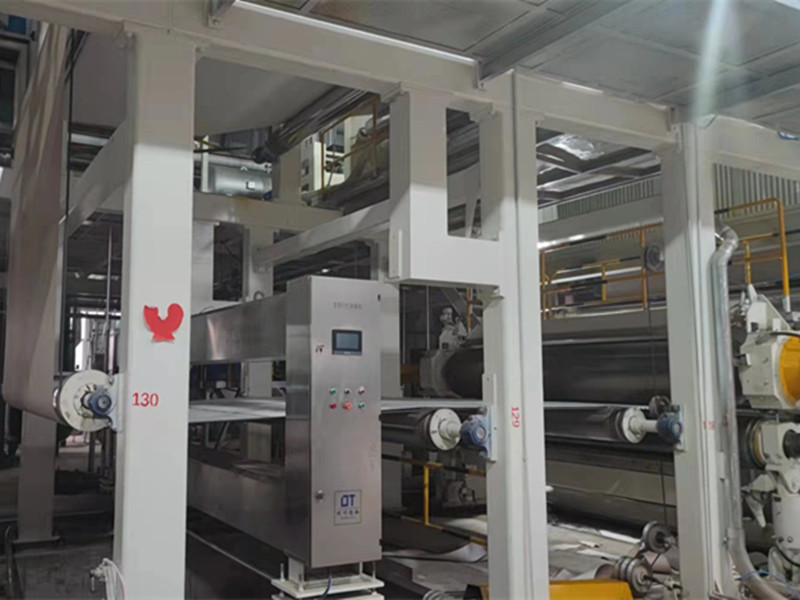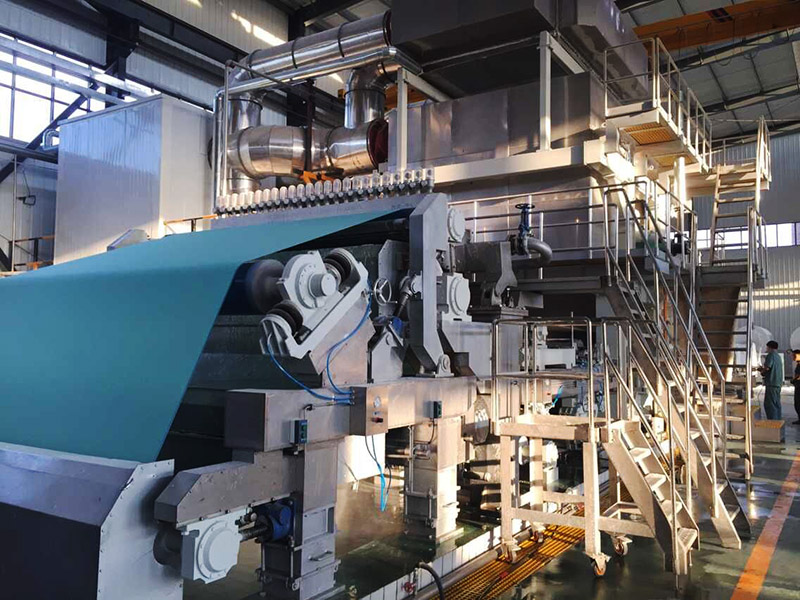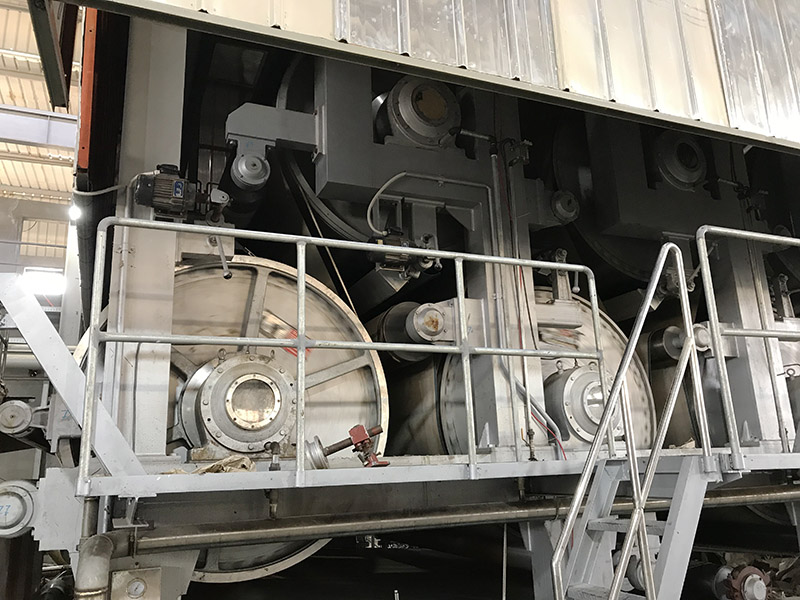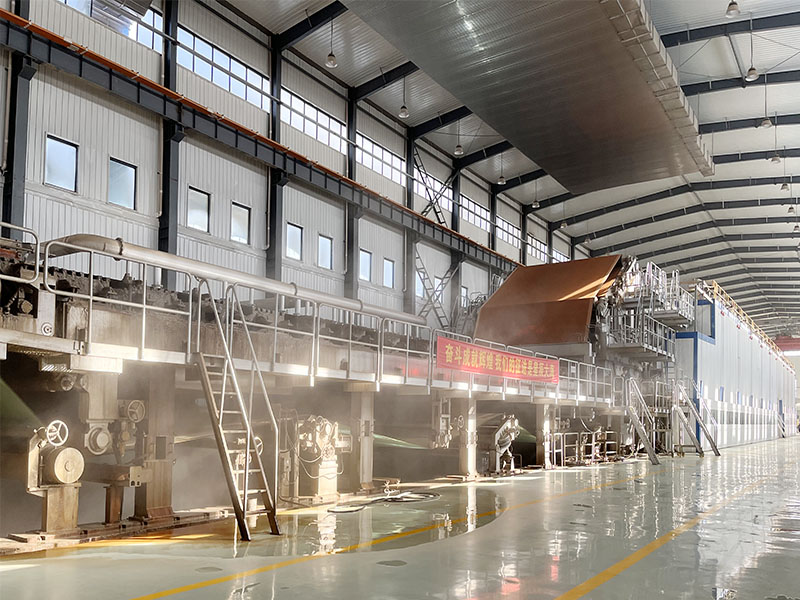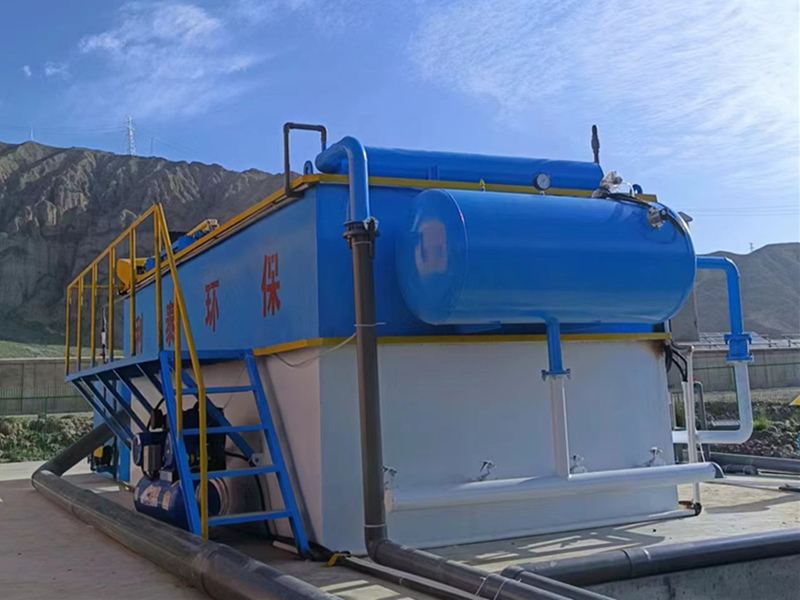
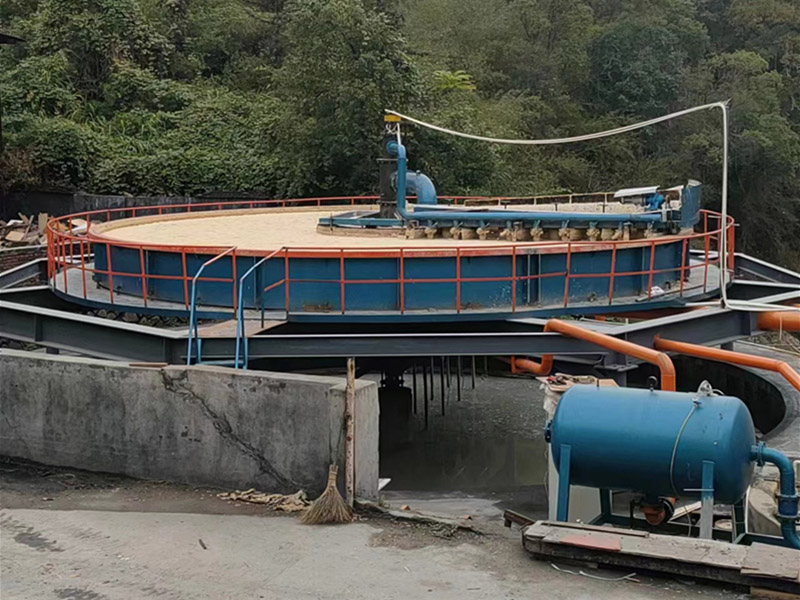
La lógica fundamental de la flotación por aire disuelto (DAF) es la siguiente: bajo alta presión, se disuelve un gran volumen de aire en agua. A continuación, se despresuriza rápidamente el agua para liberar microburbujas. Estas burbujas adsorben los flóculos suspendidos en las aguas residuales, que flotan hasta la superficie formando una capa de espuma por efecto de la flotabilidad. Esta capa se retira con un raspador para lograr la separación sólido-líquido.
Pago :
T/TColor :
CustomisedPuerto de embarque :
Port of ChinaTiempo de espera :
Two Monthsmín. orden :
One SetLa lógica fundamental de la flotación por aire disuelto (DAF) es la siguiente: bajo alta presión, se disuelve un gran volumen de aire en agua. A continuación, se despresuriza rápidamente el agua para liberar microburbujas. Estas burbujas adsorben los flóculos suspendidos en las aguas residuales, que flotan hasta la superficie formando una capa de espuma por efecto de la flotabilidad. Esta capa se retira con un raspador para lograr una separación sólido-líquido eficiente.
• El agua limpia (efluente reciclado del tanque de flotación, conocido como agua de aire disuelto) se presuriza a 0,3–0,5 MPa mediante una bomba de aire disuelto.
La bomba de agua a alta presión aspira aire. Dentro del tanque de aire disuelto, el aire y el agua se mezclan completamente. La alta presión permite una disolución masiva del aire en el agua. Cuanto mayor sea la presión, mayor será la solubilidad del aire, almacenándolo para generar microburbujas en la siguiente etapa.
El agua con aire disuelto a presión pasa a través de un liberador (un componente clave con estructuras microporosas o deflectoras) y se despresuriza instantáneamente hasta alcanzar la presión atmosférica. El aire disuelto en el agua no puede permanecer disuelto a presión normal, por lo que se precipita inmediatamente una gran cantidad de microburbujas finas (10–100 μm). Las burbujas más pequeñas tienen una mayor superficie específica y una mayor capacidad para adsorber sólidos en suspensión.
Los coagulantes (PAC) y floculantes (PAM) se dosifican previamente en las aguas residuales. Los aceites, sólidos en suspensión, coloides y lodos presentes en el agua se agregan formando flóculos. Cuando las microburbujas entran en contacto con los flóculos, se adhieren a su superficie mediante adsorción y captura, formando compuestos de flóculo-burbuja. La densidad total de estos compuestos es mucho menor que la del agua, lo que genera flotabilidad y favorece su ascenso.
• Los flóculos adheridos con burbujas flotan continuamente y se acumulan en la superficie del tanque de flotación, formando una capa de espuma.
• Un rascador de escoria superficial se mueve a velocidad constante, raspando la espuma hacia una canaleta para su descarga (el lodo se transporta para su posterior tratamiento).
• El agua clara del fondo se desborda hacia abajo. Parte del agua limpia tratada se descarga hasta alcanzar el estándar, y el resto recircula al tanque de aire disuelto para preparar agua con aire disuelto.
Tanque de aire disuelto: Un recipiente a presión sellado que completa la disolución aire-agua y garantiza una alta eficiencia en la disolución del aire.
Eliminador: Reduce instantáneamente la presión para producir microburbujas masivas; mantener este componente libre de obstrucciones mantiene directamente el rendimiento de la flotación.
Raspador de escoria: Elimina periódicamente la espuma superficial para evitar que los lodos se depositen de nuevo en el fondo y provoquen contaminación secundaria en el efluente.
Escenarios aplicables: Ideal para aguas residuales aceitosas, aguas blancas de la fabricación de papel, aguas residuales de la impresión y el teñido, aguas residuales de la industria alimentaria y de mataderos, aguas residuales de materia en suspensión de la galvanoplastia, espesamiento de lodos de baja concentración, etc. Actúa específicamente sobre sólidos finos en suspensión con una densidad cercana a la del agua, difíciles de separar mediante sedimentación tradicional.
Ventajas clave:
1. Las diminutas microburbujas proporcionan una eficiencia de separación excepcionalmente alta y una calidad de efluente cristalina.
2. Tiempo de retención hidráulica reducido (solo 10-20 minutos), lo que garantiza un tamaño de equipo significativamente menor.
3. Bajo contenido de agua en la espuma descargada, lo que ofrece una reducción de lodos mucho mejor que los tanques de sedimentación normales.
4. Eficiencia de eliminación muy superior para flóculos ligeros y aceite emulsionado en comparación con los procesos de sedimentación gravitacional estándar.
Flujo de resumen: Agua con aire disuelto a presión → Despresurización para liberar microburbujas → Las microburbujas adsorben flóculos → La espuma flota y se raspa → Separación completa sólido-líquido.
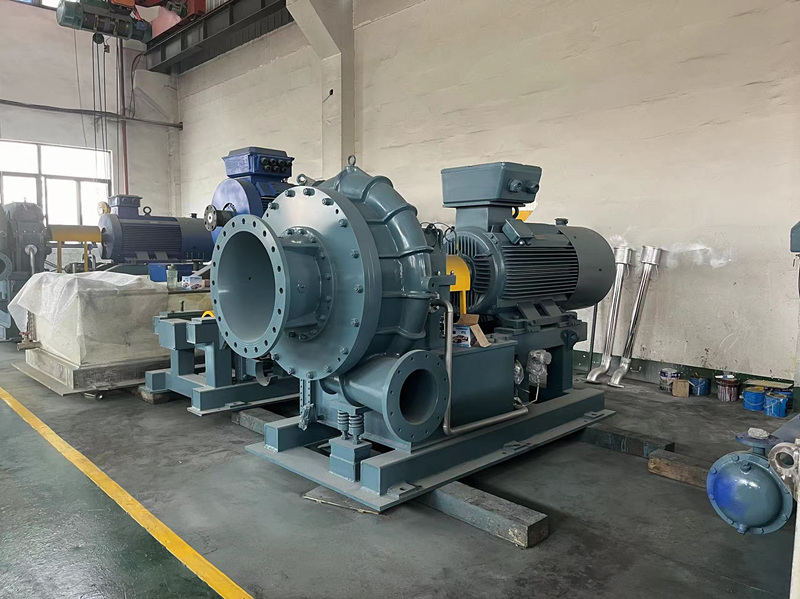
La lógica fundamental de la flotación por aire disuelto (DAF) es la siguiente: bajo alta presión, se disuelve un gran volumen de aire en agua. A continuación, se despresuriza rápidamente el agua para liberar microburbujas. Estas burbujas adsorben los flóculos suspendidos en las aguas residuales, que flotan hasta la superficie formando una capa de espuma por efecto de la flotabilidad. Esta capa se retira con un raspador para lograr la separación sólido-líquido.
APRENDE MÁS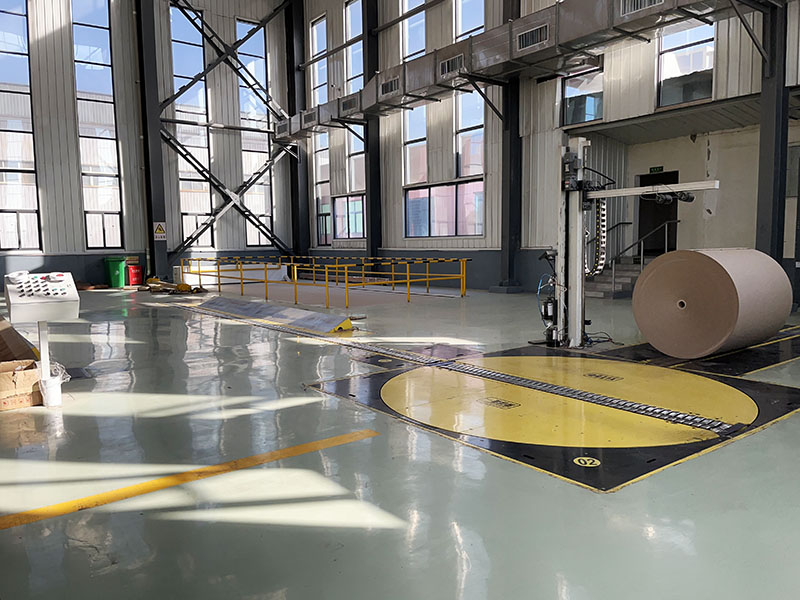
La lógica fundamental de la flotación por aire disuelto (DAF) es la siguiente: bajo alta presión, se disuelve un gran volumen de aire en agua. A continuación, se despresuriza rápidamente el agua para liberar microburbujas. Estas burbujas adsorben los flóculos suspendidos en las aguas residuales, que flotan hasta la superficie formando una capa de espuma por efecto de la flotabilidad. Esta capa se retira con un raspador para lograr la separación sólido-líquido.
APRENDE MÁS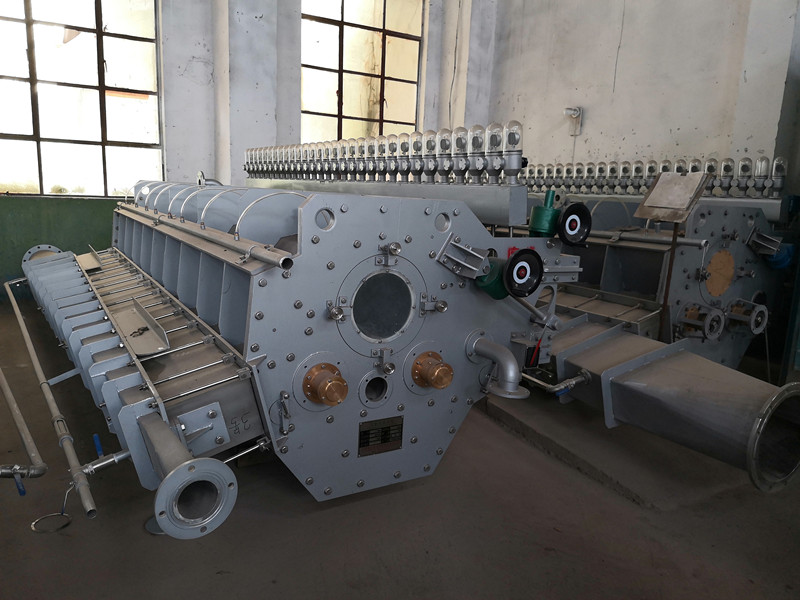
La lógica fundamental de la flotación por aire disuelto (DAF) es la siguiente: bajo alta presión, se disuelve un gran volumen de aire en agua. A continuación, se despresuriza rápidamente el agua para liberar microburbujas. Estas burbujas adsorben los flóculos suspendidos en las aguas residuales, que flotan hasta la superficie formando una capa de espuma por efecto de la flotabilidad. Esta capa se retira con un raspador para lograr la separación sólido-líquido.
APRENDE MÁS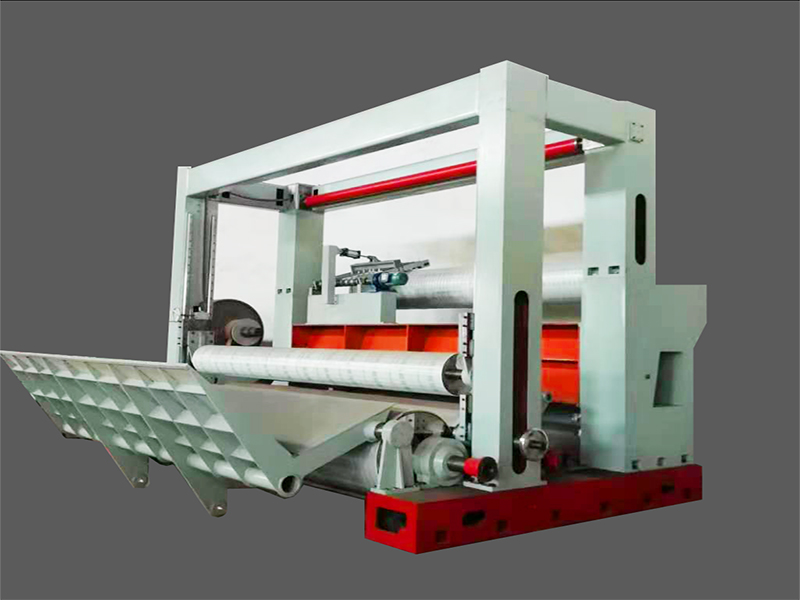
La lógica fundamental de la flotación por aire disuelto (DAF) es la siguiente: bajo alta presión, se disuelve un gran volumen de aire en agua. A continuación, se despresuriza rápidamente el agua para liberar microburbujas. Estas burbujas adsorben los flóculos suspendidos en las aguas residuales, que flotan hasta la superficie formando una capa de espuma por efecto de la flotabilidad. Esta capa se retira con un raspador para lograr la separación sólido-líquido.
APRENDE MÁS
La lógica fundamental de la flotación por aire disuelto (DAF) es la siguiente: bajo alta presión, se disuelve un gran volumen de aire en agua. A continuación, se despresuriza rápidamente el agua para liberar microburbujas. Estas burbujas adsorben los flóculos suspendidos en las aguas residuales, que flotan hasta la superficie formando una capa de espuma por efecto de la flotabilidad. Esta capa se retira con un raspador para lograr la separación sólido-líquido.
APRENDE MÁS
La lógica fundamental de la flotación por aire disuelto (DAF) es la siguiente: bajo alta presión, se disuelve un gran volumen de aire en agua. A continuación, se despresuriza rápidamente el agua para liberar microburbujas. Estas burbujas adsorben los flóculos suspendidos en las aguas residuales, que flotan hasta la superficie formando una capa de espuma por efecto de la flotabilidad. Esta capa se retira con un raspador para lograr la separación sólido-líquido.
APRENDE MÁS
La lógica fundamental de la flotación por aire disuelto (DAF) es la siguiente: bajo alta presión, se disuelve un gran volumen de aire en agua. A continuación, se despresuriza rápidamente el agua para liberar microburbujas. Estas burbujas adsorben los flóculos suspendidos en las aguas residuales, que flotan hasta la superficie formando una capa de espuma por efecto de la flotabilidad. Esta capa se retira con un raspador para lograr la separación sólido-líquido.
APRENDE MÁS
La lógica fundamental de la flotación por aire disuelto (DAF) es la siguiente: bajo alta presión, se disuelve un gran volumen de aire en agua. A continuación, se despresuriza rápidamente el agua para liberar microburbujas. Estas burbujas adsorben los flóculos suspendidos en las aguas residuales, que flotan hasta la superficie formando una capa de espuma por efecto de la flotabilidad. Esta capa se retira con un raspador para lograr la separación sólido-líquido.
APRENDE MÁS Boletin informativo
 +86 -18039135891
 annyzvv@163.com
snowfoxmachinery@outlook.com
annyzvv@163.com
snowfoxmachinery@outlook.com
 DIRECCIÓN
: 95 North of Jingsan Rd, Jinshui Dist, Zhengzhou,China
DIRECCIÓN
: 95 North of Jingsan Rd, Jinshui Dist, Zhengzhou,China
 IPv6 RED SOPORTADA